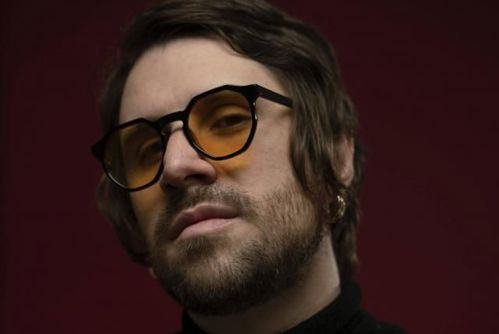
VIP No.50 Interview with Juan Pablo Vega

VIP No.50 Interview with Juan Pablo Vega
Juan Pablo Vega recently released his self-titled second album, featuring acclaimed collaborations and new sonic explorations. We spoke with the singer-songwriter about his expectations, his speech at the Nuestra Tierra Awards, and the lessons he learned from the pandemic.
1. There's always been the myth of the second album, the expectations following a brilliant debut, but you already released several songs in 2020. Do you think that in these times of singles and collaborations it's easier to meet the expectations generated by an album?
In my particular case, I wanted to release at least eight songs, but due to the circumstances surrounding COVID-19, I decided to restructure my strategy to extend the release time with singles and maintain relevance.
2. At the recent Nuestra Tierra Awards, you won Best Alternative Rock-Indie Artist. There, you took the opportunity to speak out about the situation in the country. Do you think artists are obligated to have a political stance and express it? Is it more a matter of responsibility?
There's no obligation; demanding it is to replicate the oppressive rhetoric. In my case, I do it because I feel it and believe it; it's the least I can do: express it and use platforms to speak out. Now, silence is also a political stance, and like all stances, it generates reaction and fervor.
"The moral of these times is that we realized the performing arts are important and play a crucial role in society."
3. The album was recorded between Mexico City, Medellín, and your personal studio. How did these places influence the recording of the songs? How important is the location when recording an album?
Very important. The sensory perception of the spaces allows you to create a different kind of song, as does the talent of the people who live there. This dynamic of spaces is positive for the creation of an album.
4. “Prófugos” points to this new neo-soul trend, and it's precisely the collaboration with Mabiland. Tell us the secrets of that collaboration and the recording process, which took place between the desert and the city. What was it like?
Mabiland is one of the artists I admire most in the new Colombian music scene. Her disruptive and outspoken approach captivated me from the first moment. The collaboration happened in Medellín, and it was easy. She sent her verse, and there were no changes. The power of what she says was perfect for me. Regarding Neo-soul, it's not new to me; I released "Vicio" years ago.
5. It's been over a year without massive concerts or at least a tour. What practices could change with this reset of concerts to improve the experience in the future?
The moral of these times is that we realized the performing arts are important and play a crucial role in society. It's important that promoters and the government understand this and incentivize it, creating more spaces and better pay for national musicians.
6. During quarantine, which Latin American artists did you discover and would like to share with us?
I think what's happening in Colombia is quite surprising. What's happening in Colombia is a breath of fresh air for the Latin American music scene, what Isabel, Paula Pera, Briela Ojeda, Mabiland, Vale, Las Añez, etc., are doing.